THE LINUX FOUNDATION PROJECTS

Videos

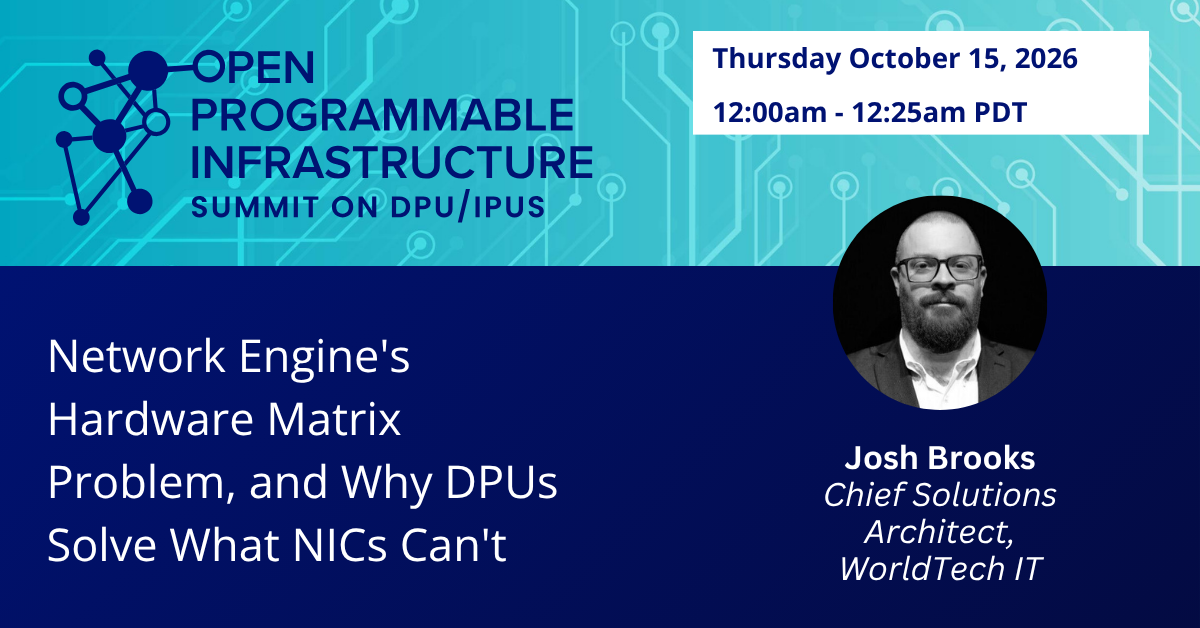
Network Engine’s Hardware Matrix Problem, and Why DPUs Solve What NICs Can’t

This session is presented by Josh Brooks, WorldTech IT/Network Engine.

This session covers engineering insights and progress from OPI Blueprint 003, which offloads OVS switching to DPUs – starting with the NVIDIA BlueField-3 – to eliminate host CPU overhead and establish an open, ecosystem-wide standard across KVM and KubeVirt environments.
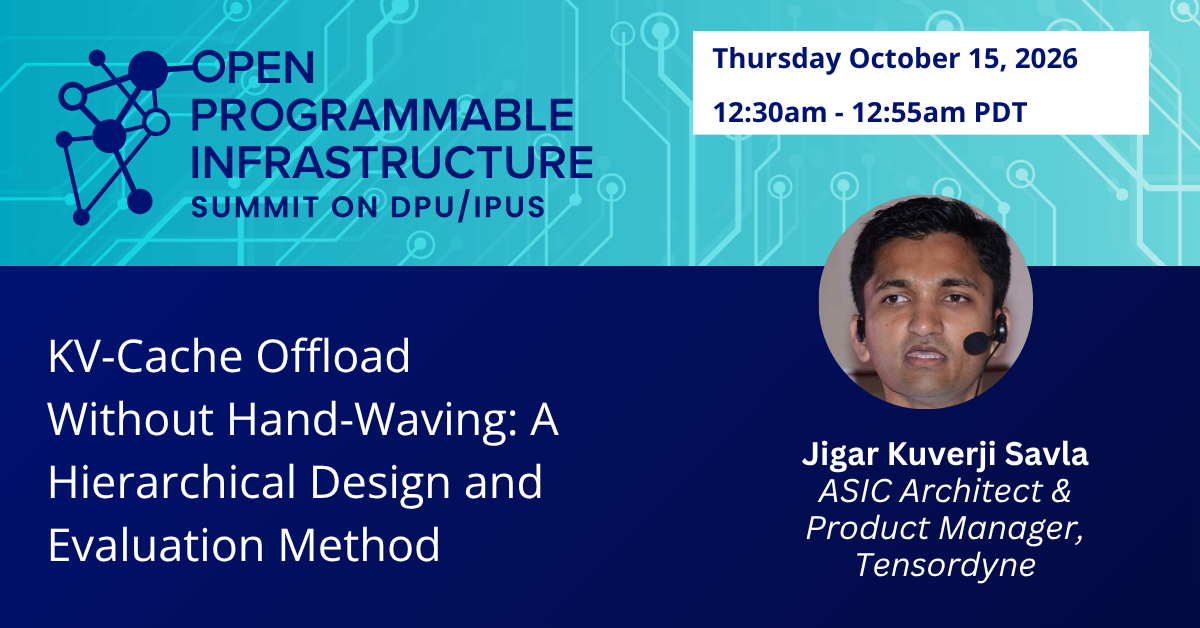
KV Cache in the Agentic Era

Session presented by Jigar Kuverji Savla, Tensordyne

This session examines how using DPUs to offload and tier idle KV cache memory across storage hierarchies solves AI agent memory bottlenecks, guided by five key architectural forces that dictate real-world efficiency and hardware performance.

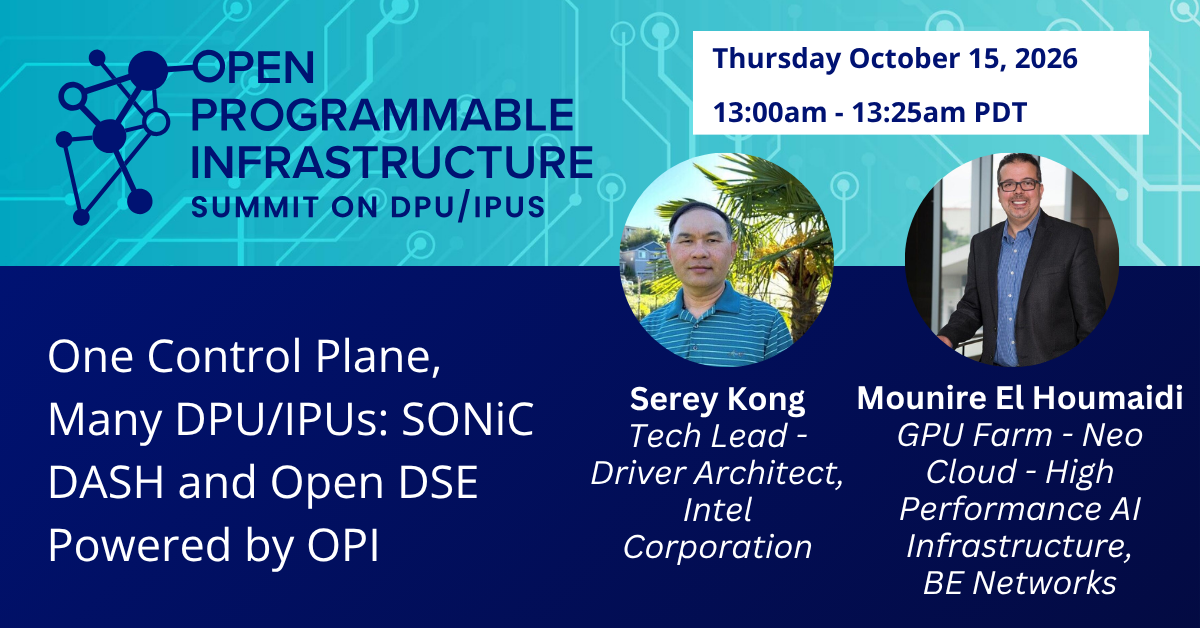
One Control Plane, Many DPU/IPUs: SONiC DASH and Open DSE Powered by OPI

Presented by Serey Kong, Intel.

This session demonstrates how OPI serves as a vendor-neutral control plane across SONiC DASH and Open DSE to eliminate proprietary lock-in and enable verifiable, multi-vendor DPU offloading.

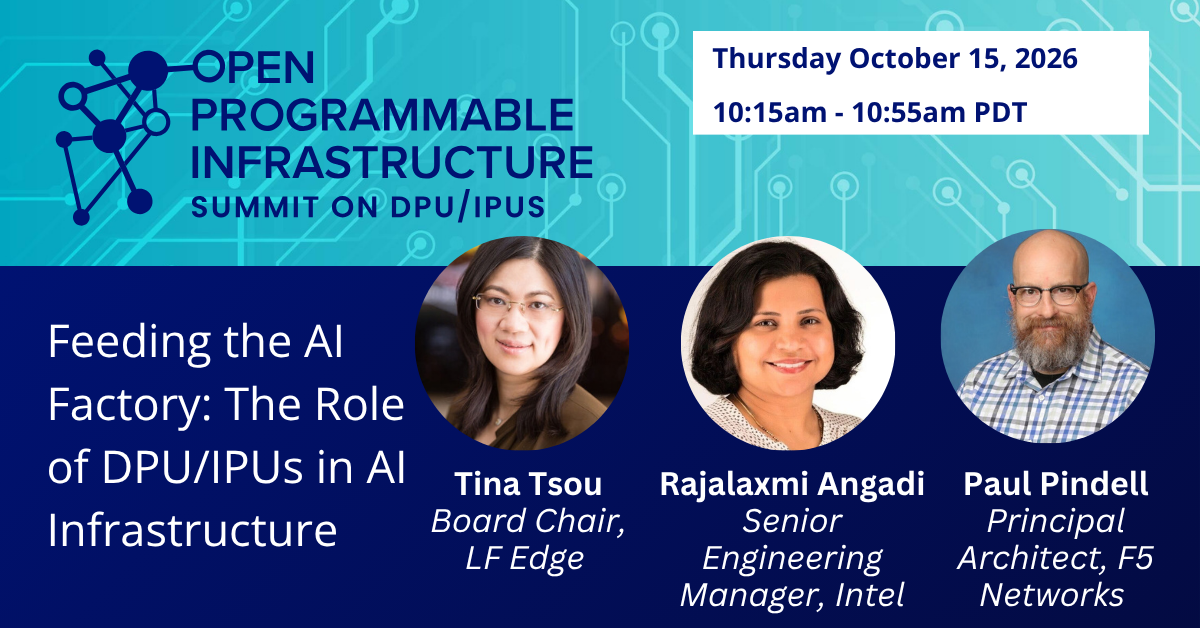
Feeding the AI Factory: The Role of DPU/IPUs in AI Infrastructure

Panel discussion featuring Tina Tsou (Board Chair, LF Edge), Rajalaxmi Angadi (Senior Engineering Manager, Intel) and Paul Pindell (F5 Networks)

This panel explores how DPUs and IPUs optimize large-scale AI factory performance and security by offloading infrastructure tasks from host processors, highlighting how the Open Programmable Infrastructure (OPI) Project provides standardized, vendor-neutral abstractions to manage heterogeneous silicon.

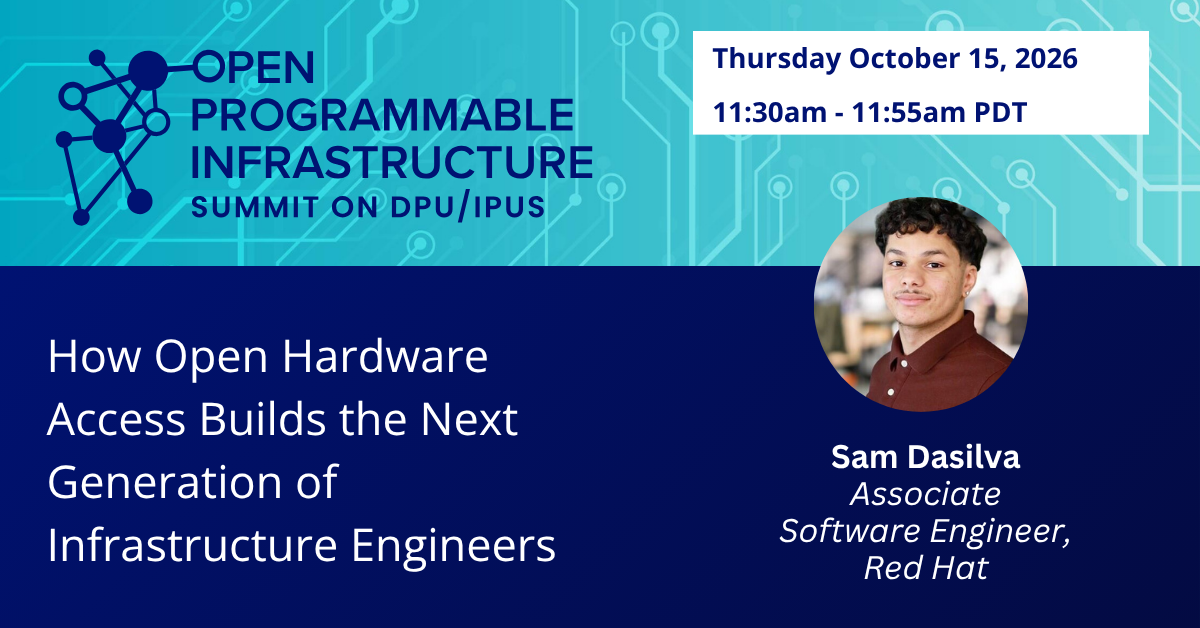
How Open Hardware Access Builds the Next Generation of Infrastructure Engineers

Presented by Sam Dasilva from Red Hat.

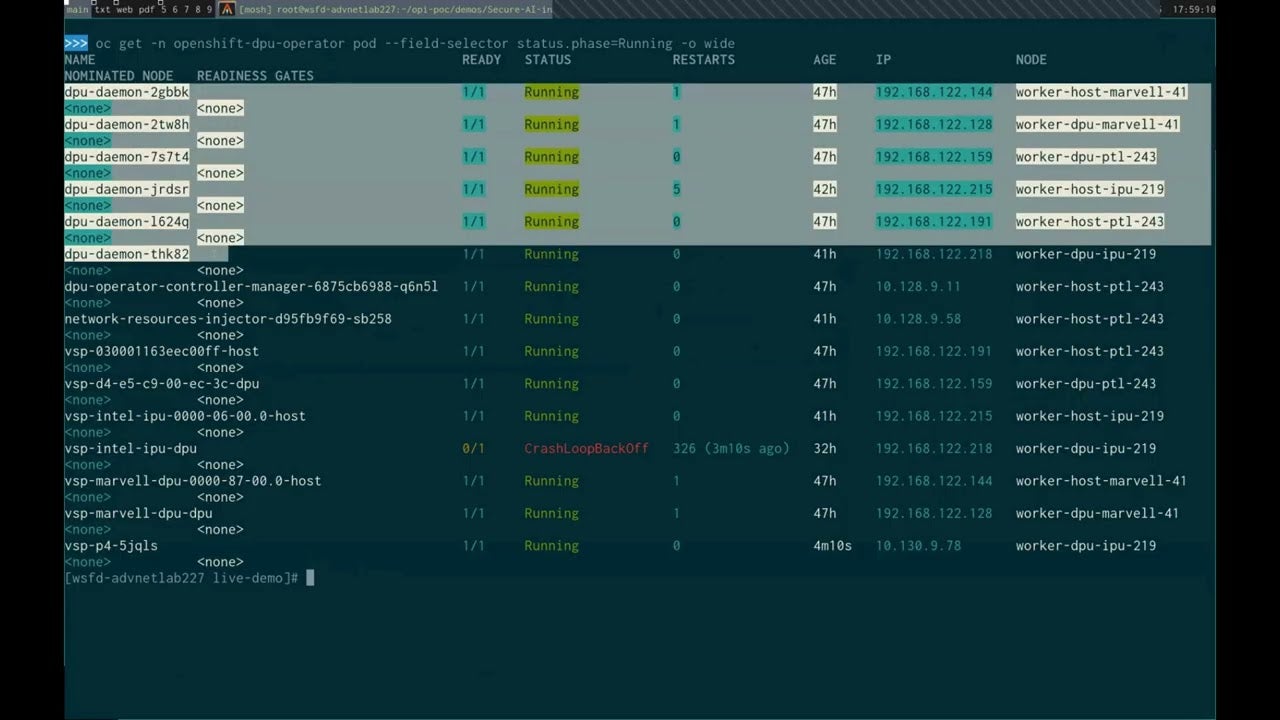
This session illustrates how open labs, mentorship, and the OPI ecosystem can break down hardware access barriers to expand the infrastructure-acceleration contributor pipeline, tracing the journey of upstreaming the multi-vendor DPU Operator to Kubernetes.

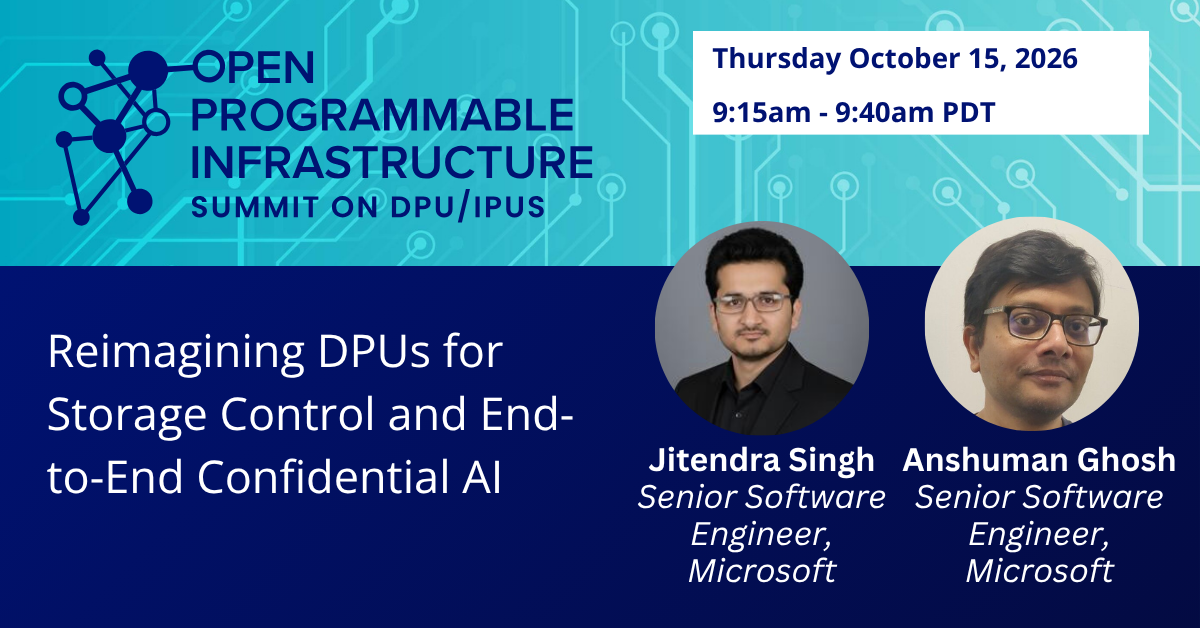
Reimagining DPUs for Storage Control and End-to-End Confidential AI

This session is presented by Jitendra Singh and Anshuman Ghosh from Microsoft.

This session explores how DPUs are evolving beyond basic offload engines into foundational, intelligent building blocks that unify data movement, disaggregated storage, and verifiable security across next-generation AI infrastructure.

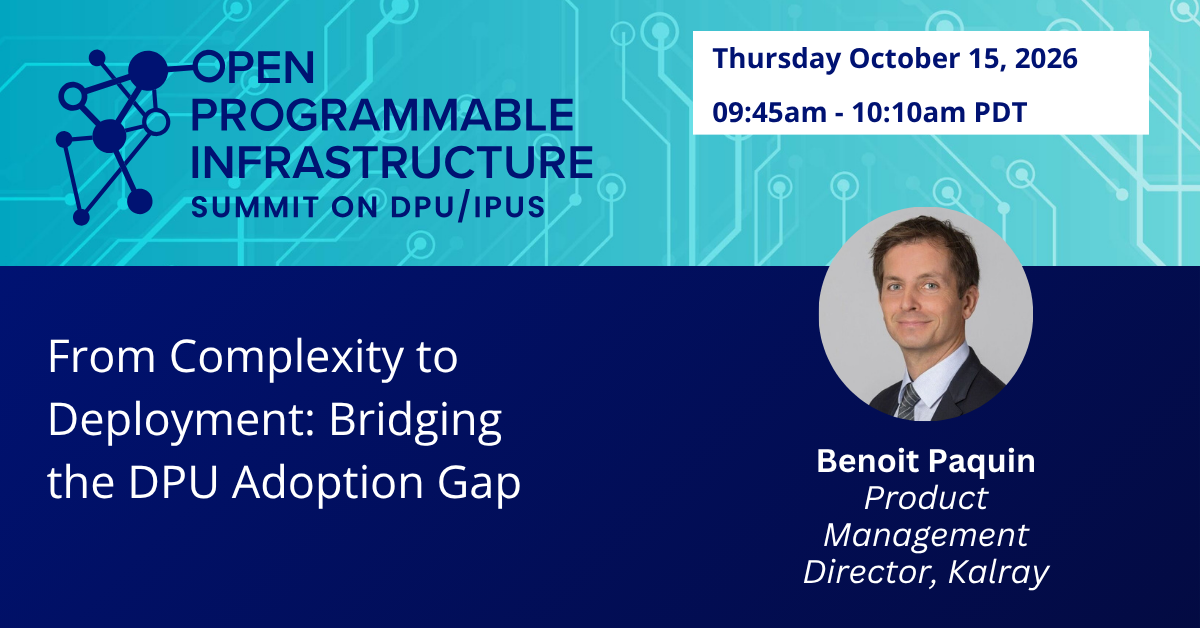
From Complexity to Deployment: Bridging the DPU Adoption Gap

Session presented by Benoit Paquin, Kalray

Drawing on fifteen years of pioneering experience, Kalray examines why non-hyperscale DPU deployments struggle to reach production and shares how to overcome these integration hurdles through production-proven architectures and two-way collaboration with OPI standards.

State of OPI: The What, Why and How Behind our Current Work

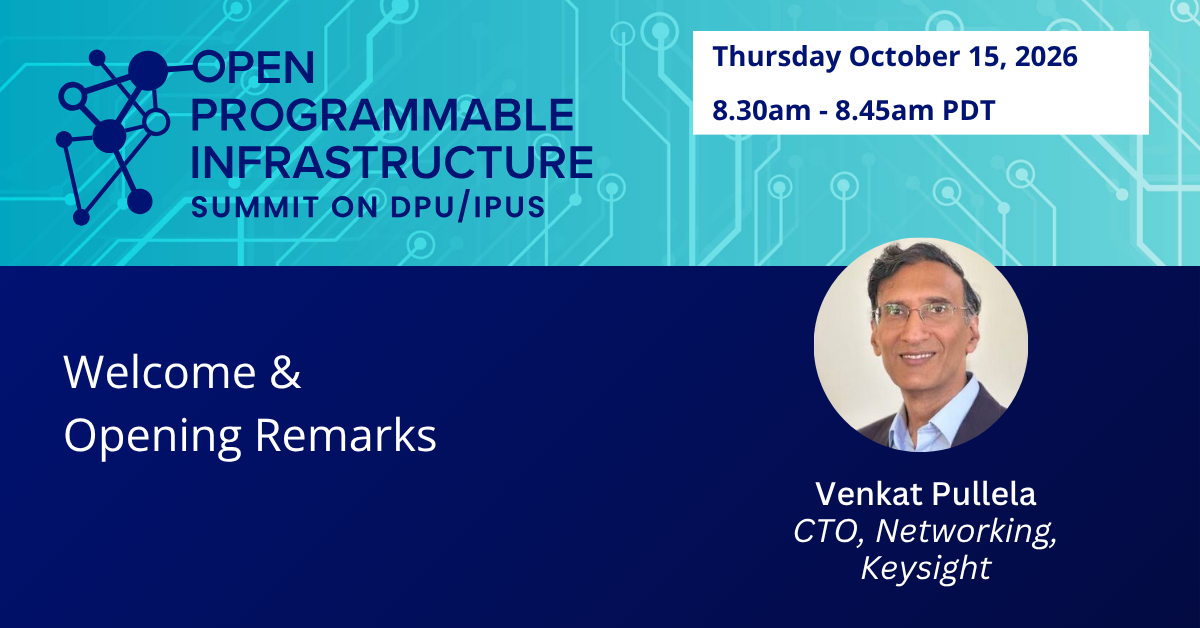
The opening session presented by Venkat Pullela – CTO of Keysight Technologies and Governing Board Chair. In this session Venkat gives a status updated on OPI in 2026.

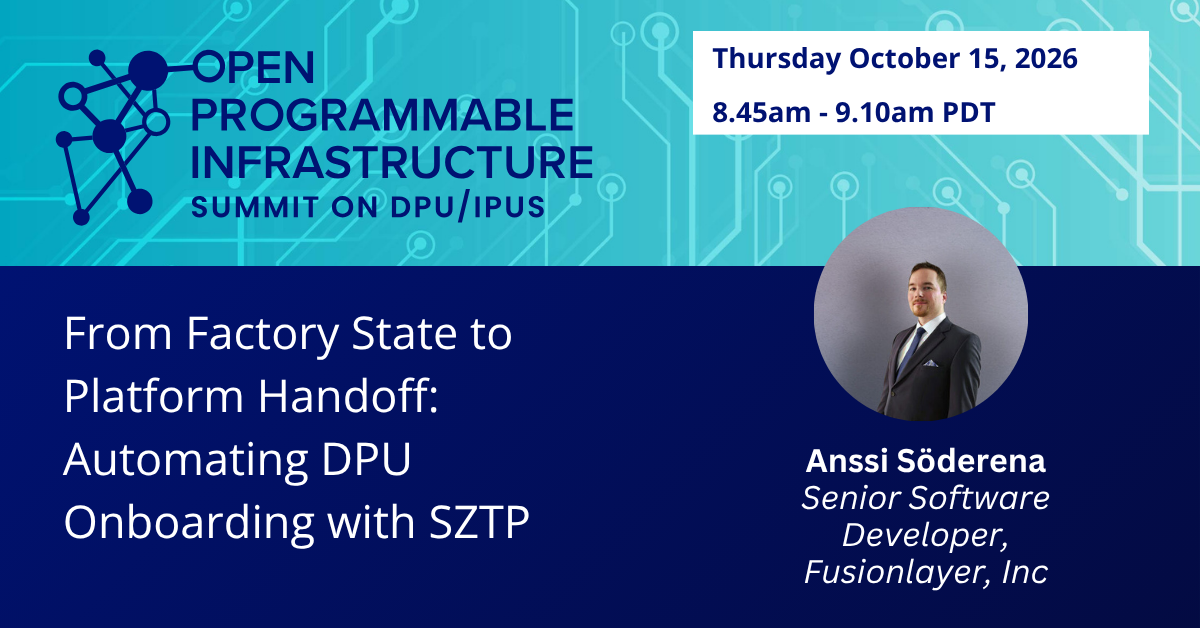
From Platform Baseline to Platform Handoff: Automating DPU Onboarding with sZTP

Presented by Anssi Söderena from Fusionlayer Oy

This session demonstrates an Open Programmability Infrastructure (OPI) blueprint using FusionLayer’s secure Zero Touch Provisioning (sZTP) to securely onboard an NVIDIA BlueField-3 DPU into a vanilla Kubernetes and F5 BIG-IP Next environment from baseline configuration through full traffic validation.

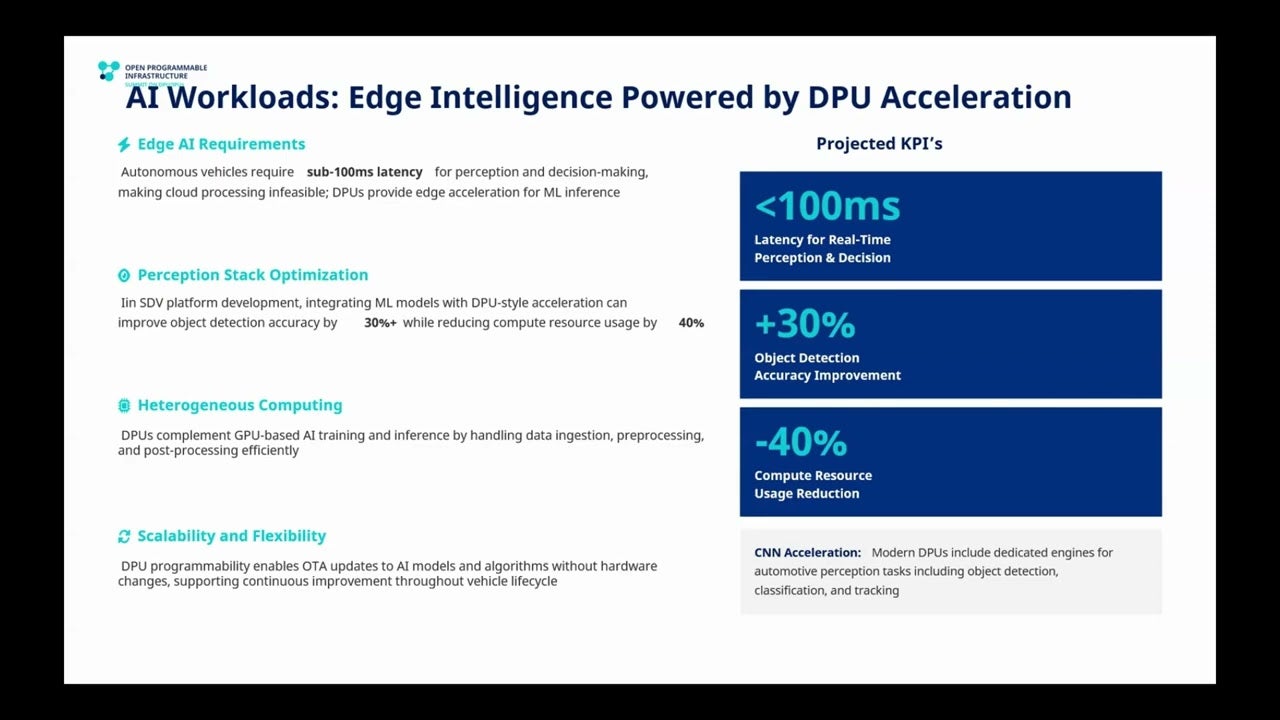
Software Defined Vehicles and DPUs: Next-Gen Architectures, AI Workloads and Secure Mobility

This video explores the integration of Data Processing Units (DPUs) into software-defined vehicles (SDVs) to address the need for high computing power and infrastructure optimization.

OPI APIs: From Vision to Reality, a Call to Action

This presentation outlines the progress of the Open Programmable Infrastructure (OPI) project, focusing on moving from foundational API definitions to real-world implementation.

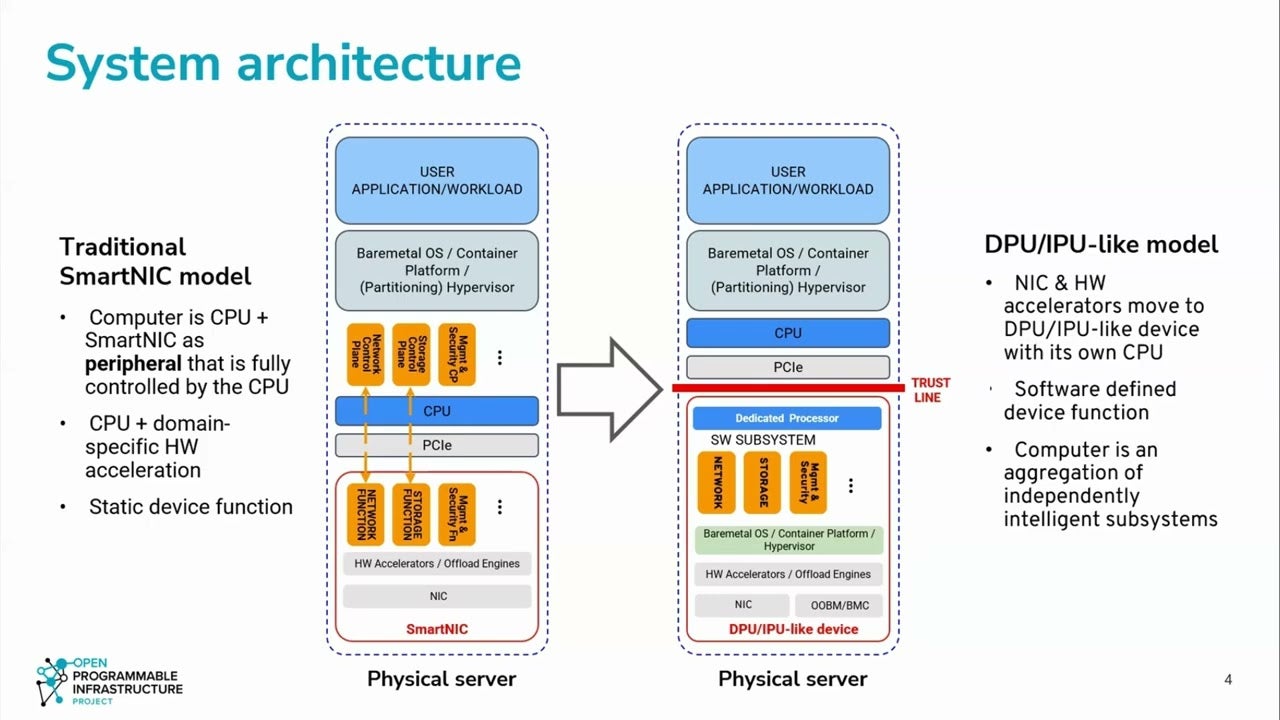
OPI – Past, Present and Future

The video provides an overview of the Open Programmable Infrastructure (OPI) project, covering its purpose, the role of Data Processing Units (DPUs), and future goals for the community.

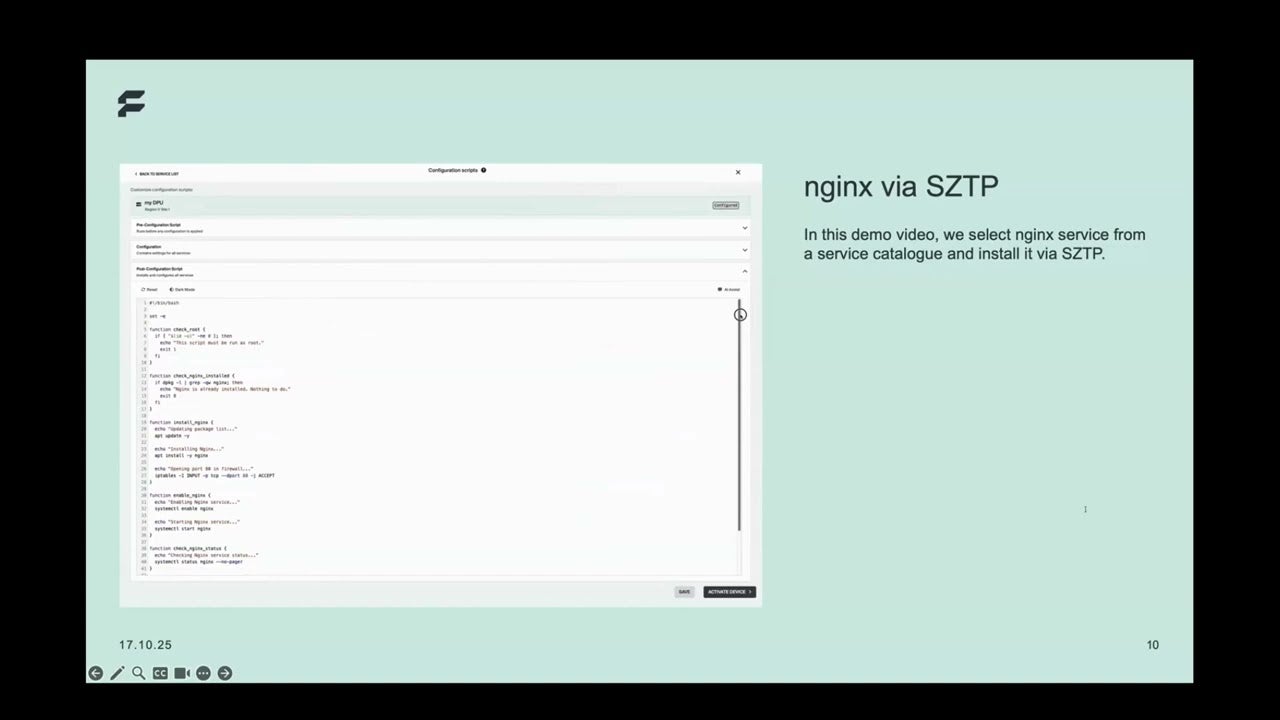
Moving Beyond Onboarding: Service Deployment using SZTP

The video explores utilizing Secure Zero Touch Provisioning (SZTP) to advance device onboarding and service deployment beyond simple day-zero configuration.

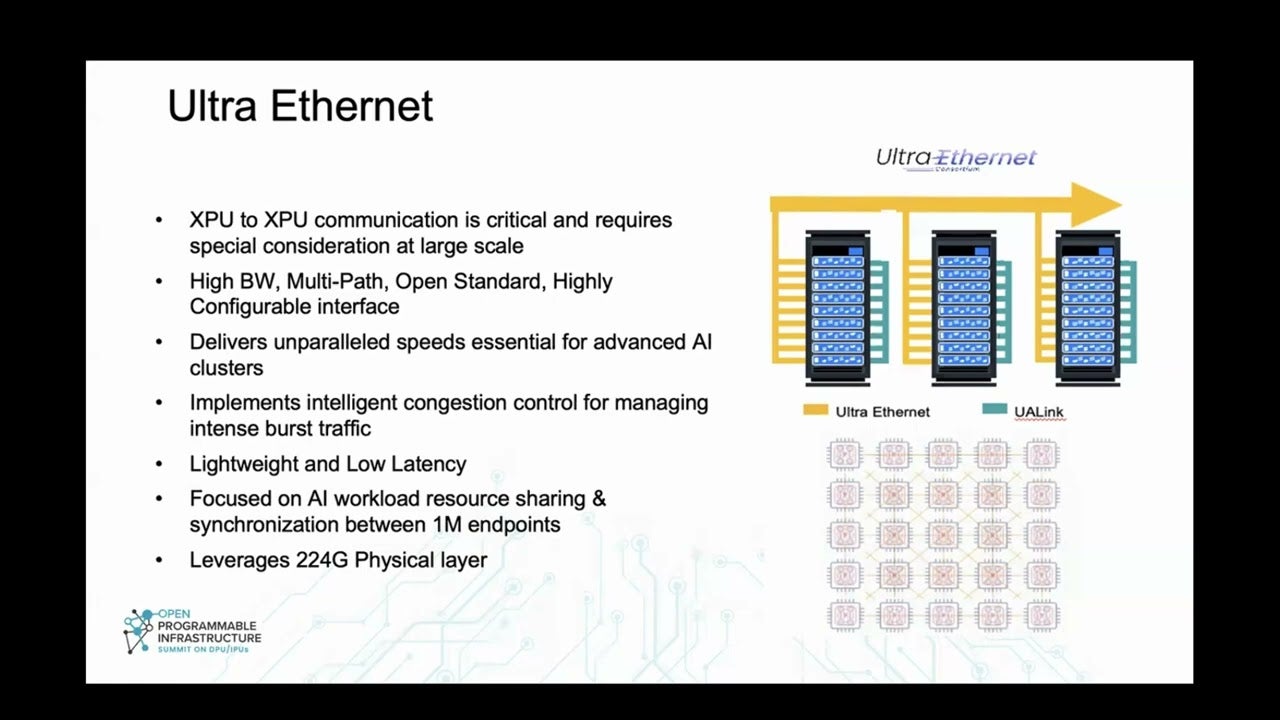
Interconnects for AI Infra with DPUs/IPUs

This presentation from Synopsis explores the critical role of interconnect interfaces in AI infrastructure, specifically for Data Processing Units (DPUs), Infrastructure Processing Units (IPUs), GPUs, and other accelerators.

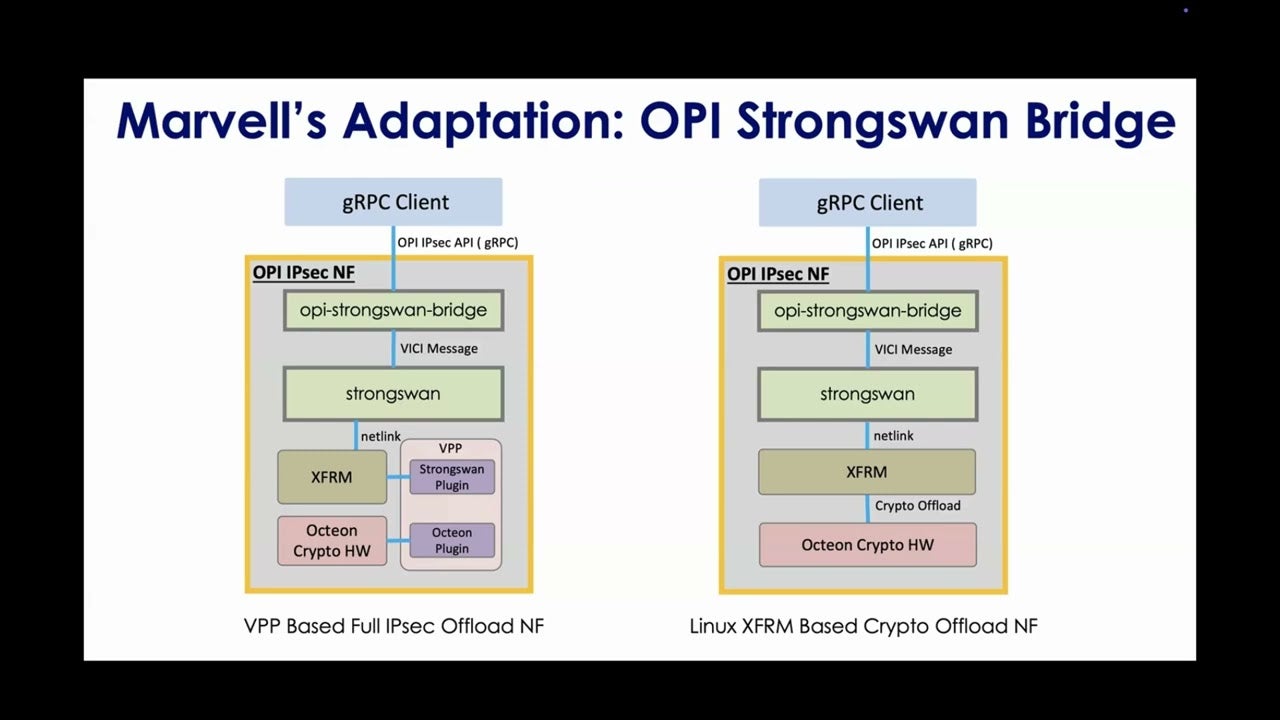
Beyond the API: Building a Production-Ready NF Ecosystem for OPI

The video discusses the collaborative effort between Marvell, Red Hat, and F5 to build a production-ready ecosystem for Data Processing Units (DPUs) using Open Programmable Infrastructure (OPI) standards. The speakers explain how they leverage OPI to overcome limitations associated with monolithic DPU applications and static configurations.

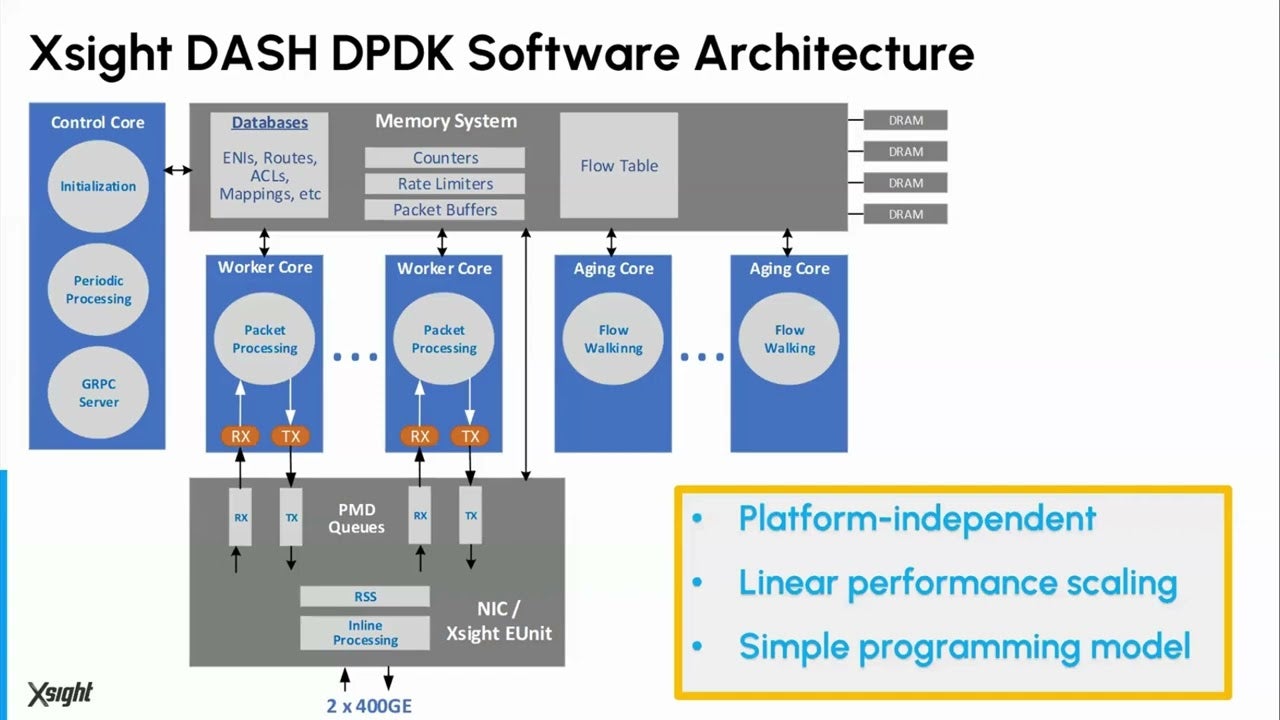
Achieving SONiC DASH DPU Performance at 800G Using DPDK

This video explains how to achieve SONiC DASH (Disaggregated APIs for SONiC Hosts) performance at 800G using DPDK involves optimizing for stateful host networking services in cloud environments.

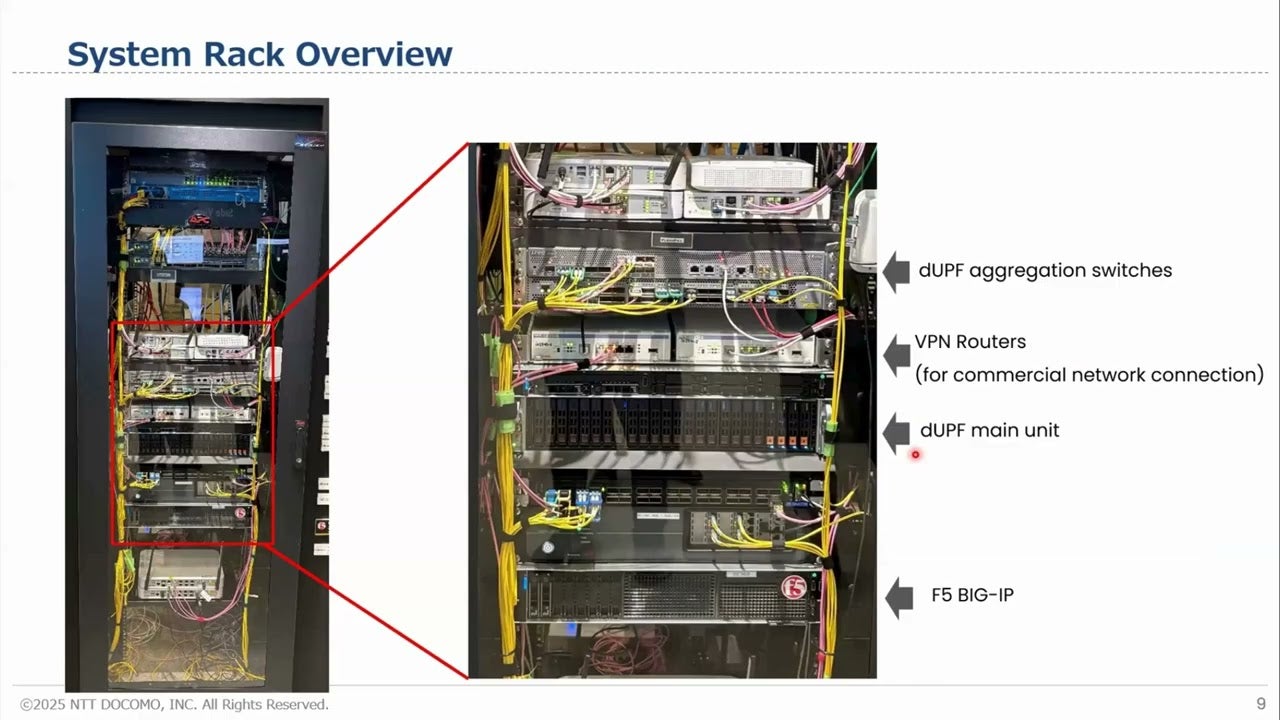
5G UPF Acceleration and its Application in Real Commercial Environments

In this video, NTT DOCOMO, INC and F5, INC introduce a proof of concept where 5G UPF Function has been implemented on a DPU card and connected it to a commercial network.

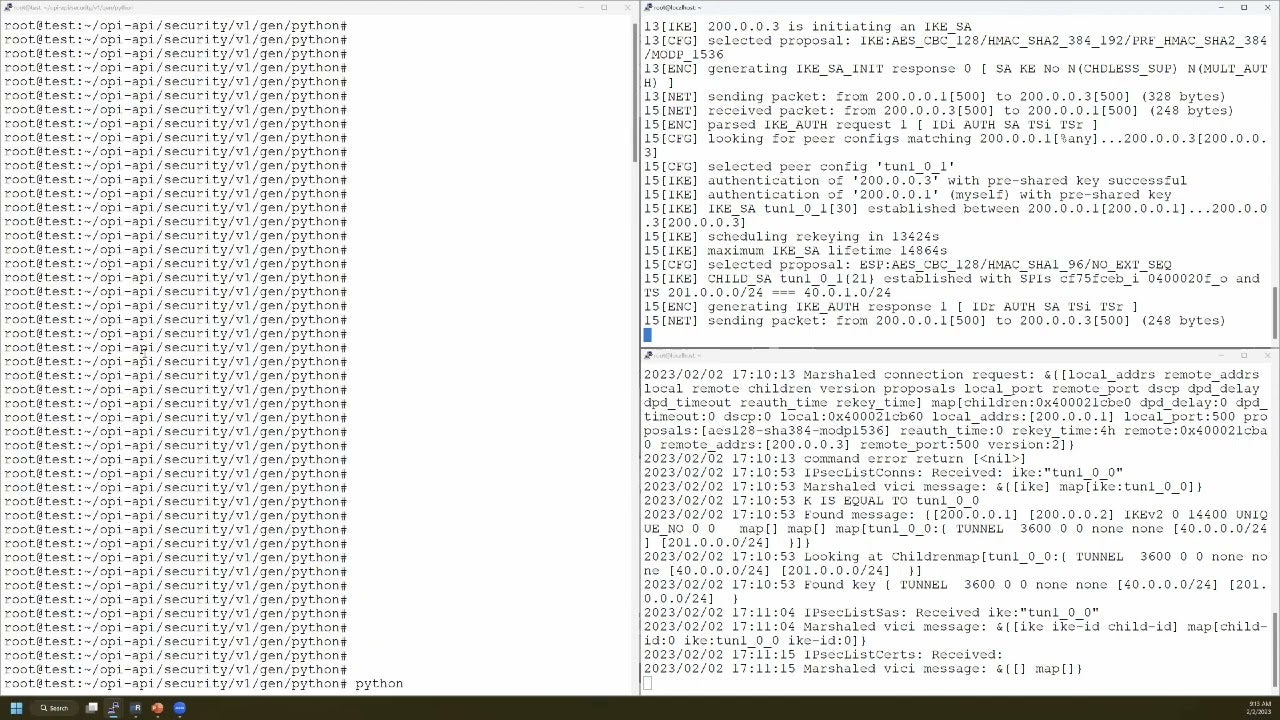
OPI IPSEC Demo

This is a demo of the OPI security API with strongSwan IPSEC running on a real DPU. It was presented during the API Work Group meeting on Feb, 2, 2023.

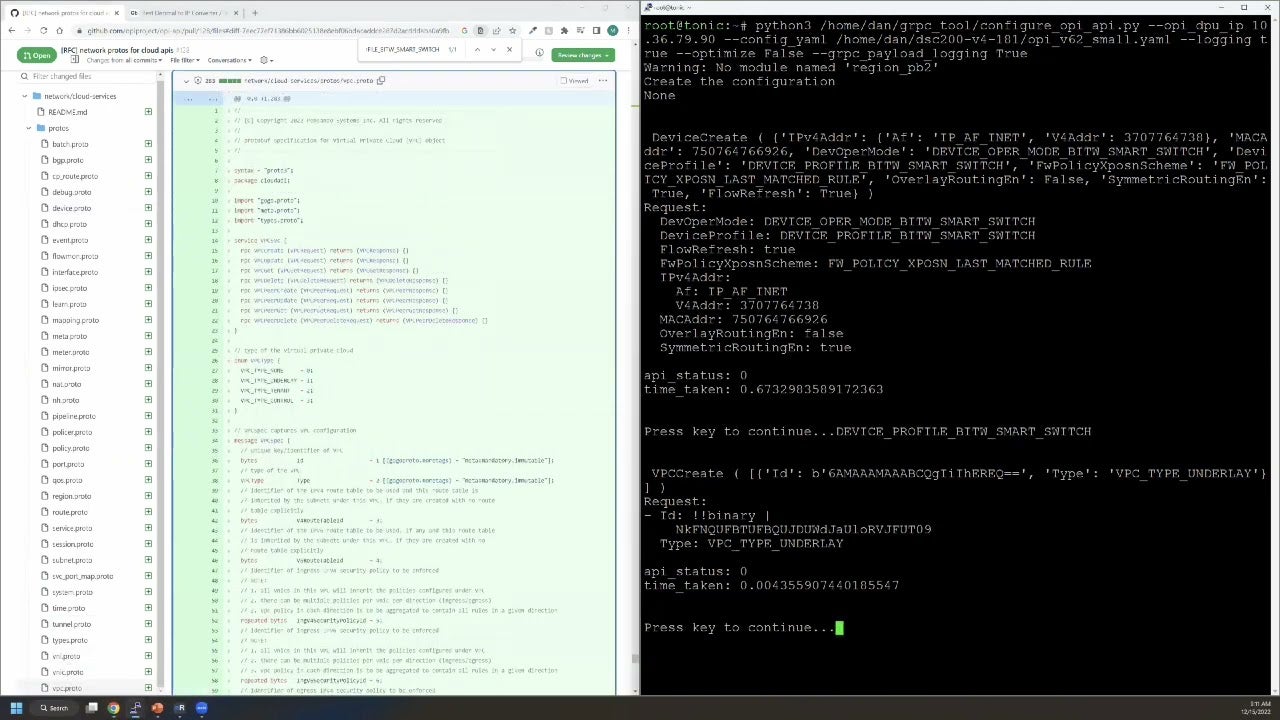
Cloud Networking APIs

During the December 15, 2022 API working group meeting, Mircea Dan Gheorghe demoed the latest functionality of the OPI APIs.

Introduction to the OPI (Open Programmable Infrastructure) Project

A new class of cloud and datacenter infrastructure is emerging into the marketplace.

What Is the Big Deal with the Open Programmable Infrastructure Project?

Open Programmable Infrastructure (OPI) Project is a new project within the Linux Foundation, announced earlier this year.